(If you have any comments or questions, please contact the editor)
Club Update
Hi Rotarians,
I trust that you have had an opportunity to enjoy the Easter season followed by the ANZAC commemorations on Friday.
For many it will have been a chance to reconnect with family and reflect on the stuff that is important to each of us.
It is with regret that I advise the resignations of both Bruce and Pat Jefford. It was clear from the discussion, that this has been a difficult decision for Bruce and Pat to take. However, circumstances including health are taking their toll and so we accept their decision to resign and wish them the best. Bruce and Pat have contributed significantly to the Club over the years and have enjoyed being able to contribute to the community at large through Rotary. We thank them both for their service.
Our Tuesday night ANZAC themed meeting appears to have been enjoyed by all despite the sombre reflections it invoked. Lest We Forget.
Simon Manning spoke to us about Te Auraki - The Return Project. A significant piece of work for the families who were able to see their family members remains returned to NZ. Thirty one Defence Force personnel and 1 child, returned to NZ with a focus on the utmost dignity and respect. Thank you, Simon, for providing us with your insights and also thank you for your personal contribution into the success of the Project.
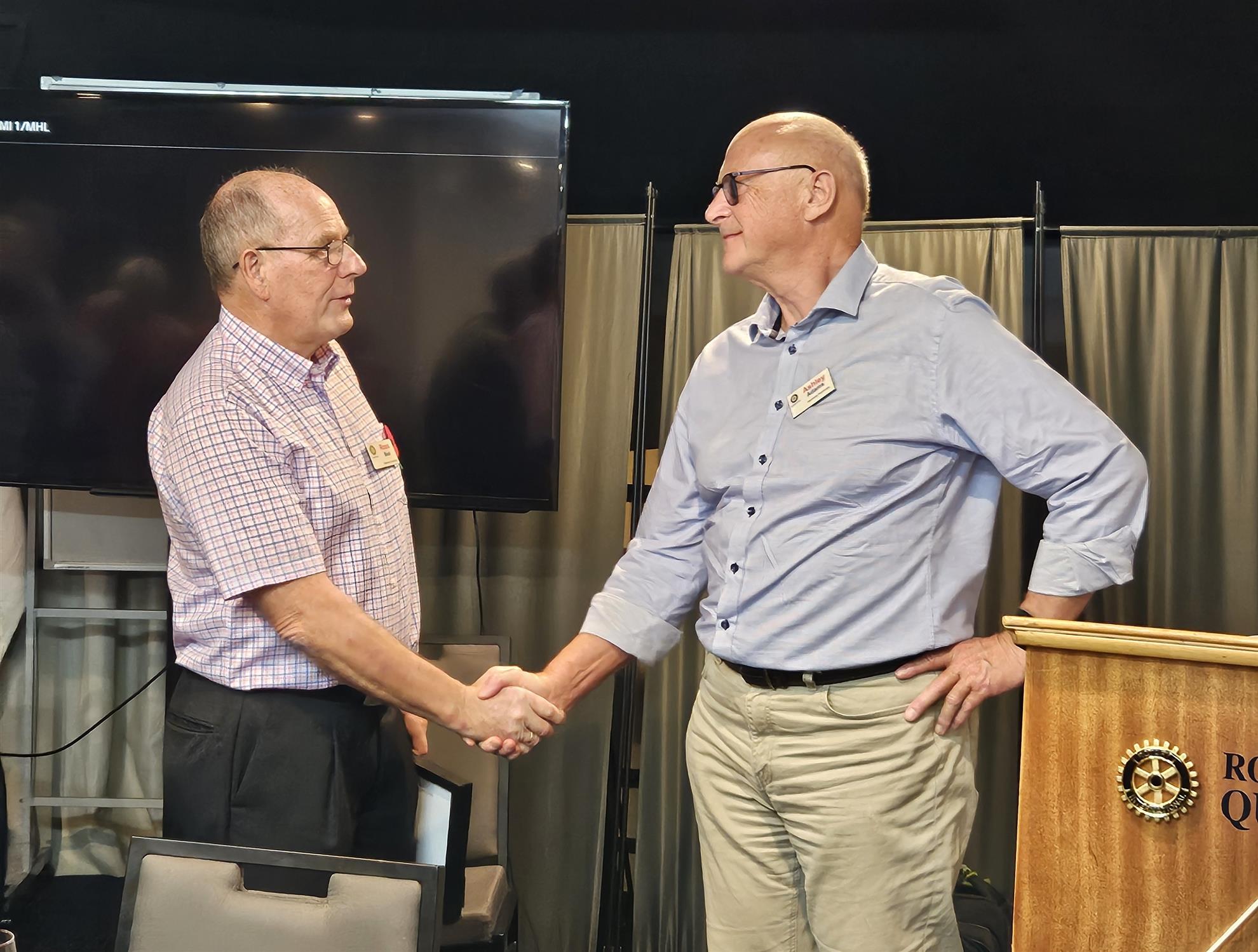
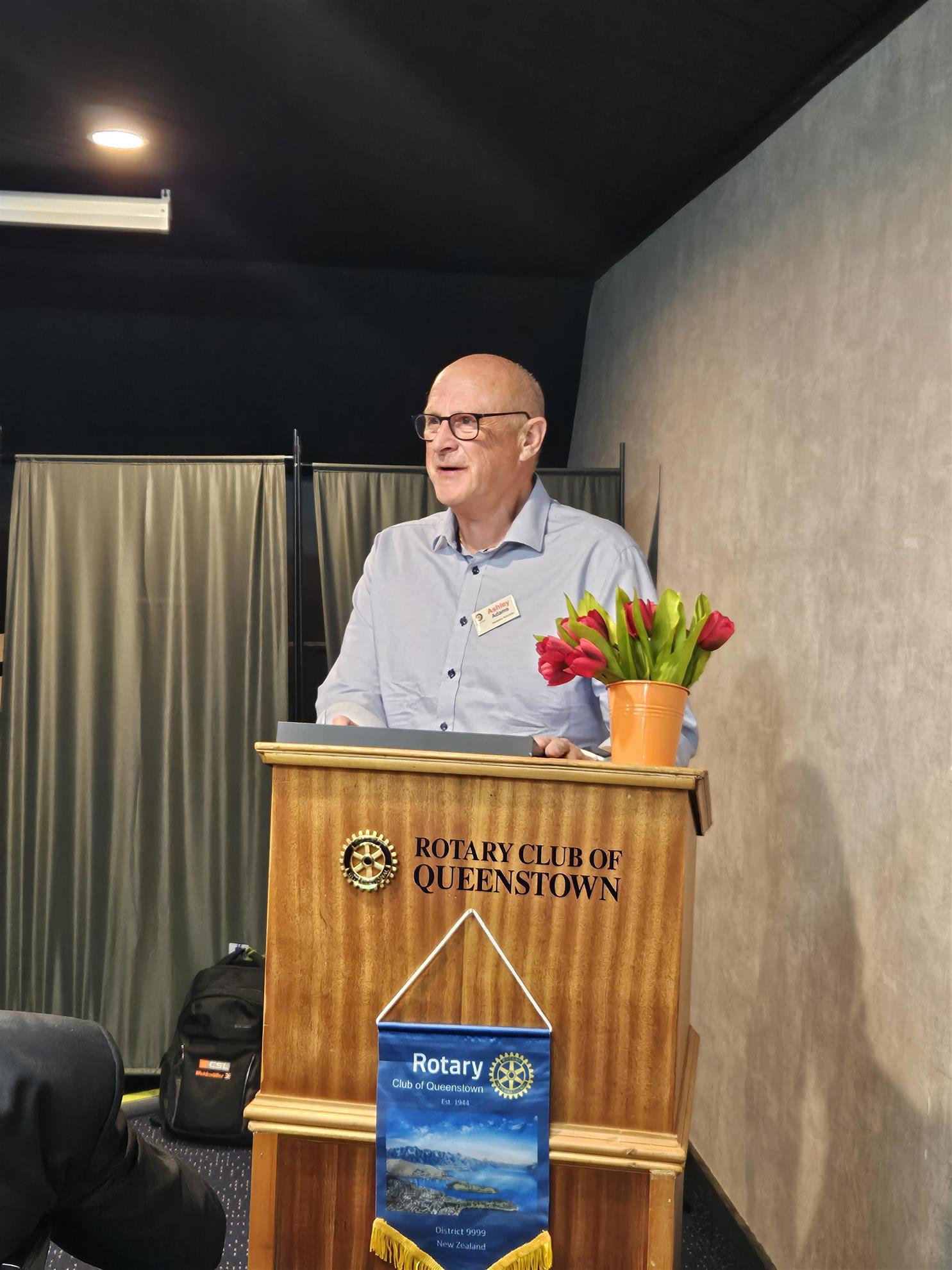
It was also a privilege to be able to award a Paul Harris Fellowship to Ashley Adams.
Ashley Adams has been the driving force behind the fundraising endeavours for the New Zealand Golf Open on behalf of Queenstown Rotary for the past 12 years. Ashley’s leadership and organisational skills have ensured the success of this endeavour, raising significant funds that have positively impacted many in our community. As a dedicated Rotarian, Ashley embodies the values and principles that Rotary stands for. His service and outstanding contributions have been a source of inspiration for fellow members. Ashley's commitment to the ideals of Rotary, including service above self, has earned him the deepest respect and admiration from the Rotary community.
With the unanimous support of the Club, it was a privilege to honour Ashley Adams with the Paul Harris Fellowship.
Looking forward to our next meeting on Tuesday, our speaker will be Matt Woods from Destination Queenstown. Make sure you get along to hear his presentation.
Thank you for your “Service above Self” it is very much appreciated.
On the 22nd of April, the Club had the honor of awarding Ashley Adams a Paul Harris Fellowship.
As President Ross discussed in his report above, Ashley has been organiser of the NZ Golf Open for the past twelve years and it's a major service project for our Club each year. We would like to congratulate you again Ashley, for all your contributions to the local community and to the Rotary Club of Queenstown.
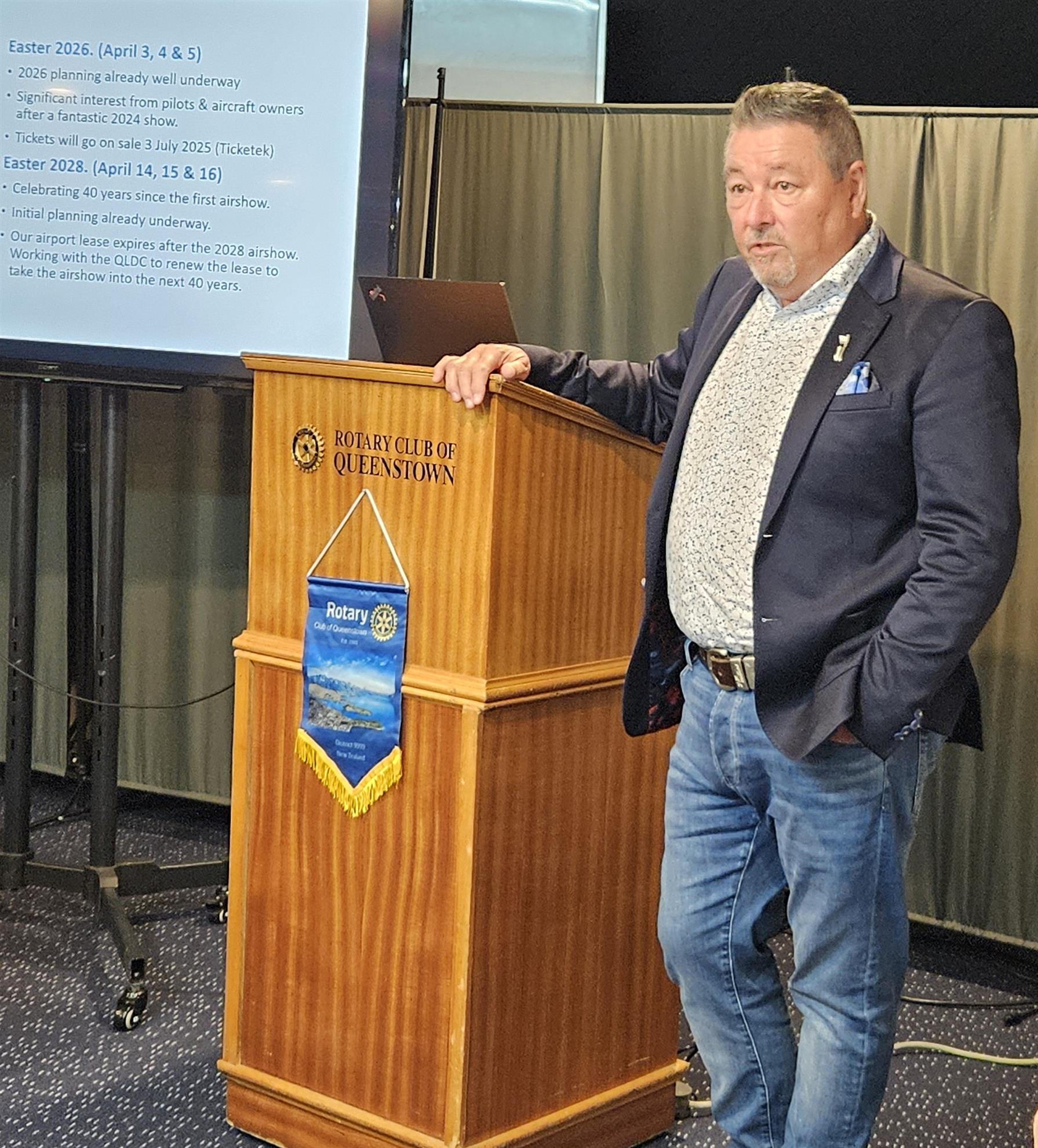
Warbirds over Wanaka is the largest Warbirds Airshow in the Southern Hemisphere and is held on Easter weekend every two years at Wanaka airport. In 2024, aircraft at the airshow included an RNZAF de Havillard Mosquito, a RNZAF Mustang and several RNZAF C-130 Hercules planes. The airshow had 64,800 people attend, generating over NZ$40 million for the local economy.
The Warbirds air show relies heavily on volunteers, with around 1,000 people needed each day to ensure a smooth and successful event.
This massive volunteer force is essential for managing various aspects of the show, including ground operations, hospitality, program sales, aircraft support and community engagement.
The dedication of these volunteers is crucial to the air show's success. Without their commitment, the event wouldn't be possible.
The planning process for the Warbirds air show is a complex and multi-faceted endeavor that involves a dedicated team and a significant amount of effort.
Two year cycle: The show happens every two years, meaning planning starts well in advance of the event.
Financial Planning: A crucial aspect is ensuring financial stability. As a non-profit, the Warbirds rely heavily on ticket revenue and sponsorships. Planning involves carefully budgeting expenses and securing funding sources.
Strategic Planning: The board sets a long-term vision, including goals for the show's impact on the community, education, and aviation history.
Governance: The trust board oversees the organisation, ensuring transparency, accountability, and responsible management of assets.
Operational Planning for the event include logistics, aircraft coordination, public engagement and marketing that develops effective marketing strategies to attract attendees and sponsors.
Health and Safety is an important aspect to the events success. Risk assessment, emergency planning and training all takes place prior to the event. The Warbirds Over Wanaka airshow prioritises safety while maintaining the excitement and thrill of the event through a multi-layered approach. This balance ensures the enjoyment of the spectacle while maintaining the well-being of all involved.
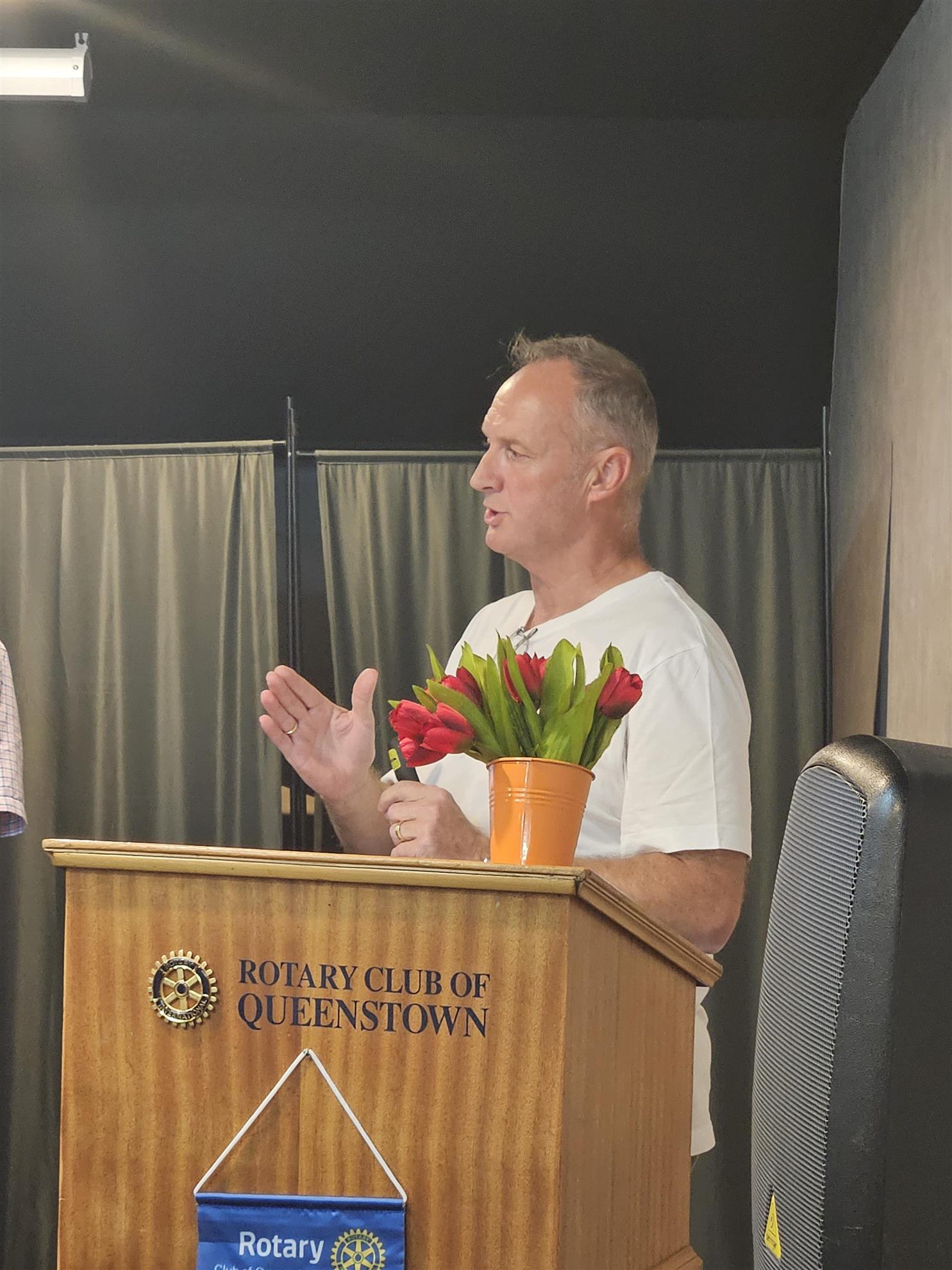
On the 22nd of April, the Club had an Anzac themed meeting. Simon Manning was kind enough to discuss his experience as a funeral director, in particular the repatriation of New Zealand soldiers who past away overseas.
Simon was involved in the repatriation project from the beginning and shared his experiences working with families, funeral directors, and the New Zealand Defence Force. He described the challenges of disinterment, the importance of respecting families wishes, and the emotional impact of bringing back New Zealand Defence Force members who served their country.
The specific challenges involved in the disinterment process were:
Multiple Locations and Countries: The project involved repatriating soldiers from six different countries, each with its own regulations and procedures. This required coordinating with New Zealand embassies and consulates, obtaining approvals from foreign governments, and navigating different cultural sensitivities.
Family Consent and Diverse Views: Each of the 55 families involved had different perspectives on disinterment. Some were eager to bring their loved ones home, while others were hesitant or opposed to the idea. This required careful communication, understanding, and respect for individual family dynamics.
Logistical Complexity: Disinterment involved coordinating with multiple teams, including defense chaplains, pathologists, archeologists, forensic anthropologists, odontologists, and funeral directors. The process also required meticulous documentation, ensuring the accurate identification of each individual.
Respectful Handling of Remains: The disinterment process demanded utmost respect for the deceased. The remains were handled with care, and the gravesites were treated with reverence. The team ensured that all items found in the graves were carefully documented and placed back in the casket before repatriation.
Maintaining Consistency and Standards: The project aimed to ensure that the repatriation process was consistent across all families and locations. This involved setting specific guidelines for funeral directors, including a uniform casket for all repatriations, and ensuring that the level of service met certain standards.
Dealing with Unforeseen Circumstances: The disinterment process involved dealing with unforeseen circumstances, such as the need to remove and replace funeral directors who did not follow the established guidelines.
Balancing Publicity and Respect: The project aimed to balance the need for public awareness with the importance of respecting the privacy of the families involved. This involved limiting publicity and ensuring that the funeral arrangements were conducted with discretion.
The main strategies used to ensure consistent standards and service levels across all funeral directors involved in the repatriation project were:
A pre-selection and agreement, standardised quote and oversight, uniform caskets and logistics, detailed briefing and training, accommodation and transport, strict monitoring and enforcement.
The project emphasised the importance of treating the deceased with respect and dignity. This included ensuring that the remains were handled with care, that the gravesites were treated with reverence, and that the funeral arrangements were conducted with discretion. These strategies ensured that all families received a consistent level of service and that the repatriation project was conducted with professionalism and respect.
There were specific protocols and guidelines in place for handling and transporting the remains of deceased individuals from different countries such as respectful handling, formal identification, consistent caskets, secure transportation and a final service. These protocols and guidelines were crucial for ensuring the dignity and respect of the deceased individuals and their families, while also maintaining consistency across different locations and cultures.